
Imagine messaging a local store on WhatsApp, asking about a product, getting a personalized recommendation, and completing the purchase right in the chat. This scenario is no longer futuristic; it’s happening every day on WhatsApp as conversational commerce takes off.
Conversational commerce, the blend of shopping and messaging, has surged in popularity on platforms like WhatsApp, transforming how businesses and customers interact. In fact, consumers are increasingly using messaging apps for every stage of the buying journey, from inquiry to payment.
By 2025, global spending via conversational commerce channels is expected to reach a staggering $290 billion, underscoring that chat-based shopping is becoming mainstream. WhatsApp, with its enormous user base and seamless chat interface, is at the heart of this revolution.
This article explores how WhatsApp is fueling the rise of conversational commerce, why it matters for businesses, and how you can leverage it to boost sales and customer engagement.
Conversational commerce on WhatsApp is the use of WhatsApp chats to market, sell, and support products or services. Coined by Chris Messina in 2015, the idea is to let customers complete the entire shopping journey—discovery, inquiry, purchase, and support—directly in a chat, without switching to websites or call centers.
Using the WhatsApp Business app or Business API, companies can:
This makes it possible for customers to browse, ask questions, get recommendations, place orders, and even pay—all within the same conversation.
Beyond transactions, WhatsApp conversational commerce focuses on personalized engagement, such as answering pre-purchase queries, offering tailored advice, sharing updates, and providing post-purchase support.
In short, WhatsApp turns a chat thread into a digital storefront and service desk, where the conversation itself becomes the shopping interface.
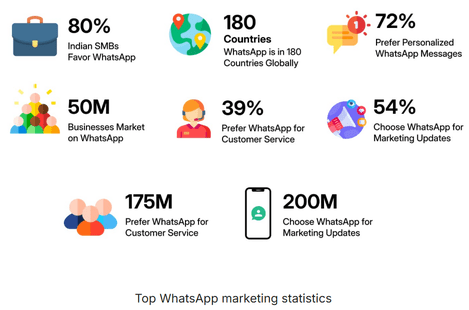
WhatsApp has become the leading platform for conversational commerce due to a mix of scale, engagement, consumer behavior, and evolving platform tools.
WhatsApp combines global scale, incredible engagement, consumer preference, fast-growing business use, and integrated commerce tools. This rare blend makes it the backbone of conversational commerce and a must-have sales channel, with over two-thirds of online shoppers already purchasing through chat apps.
WhatsApp wasn’t originally built for shopping, but over the years, it has added powerful features that turn a simple chat into a full-fledged commerce experience. It has transformed from a simple messaging app into a robust commerce channel by combining massive reach, high engagement, and business-friendly tools.
This combination of global reach and personal conversation helps brands scale customer interactions without losing the human touch.
The key is that customers never feel forced to jump to a different app or website – everything flows in one continuous conversation, which greatly reduces drop-offs.
In short, WhatsApp offers a high-impact channel without a high price tag, leveling the playing field for small businesses to compete with creative conversational strategies.
WhatsApp conversational commerce delivers scale, engagement, convenience, personalization, low cost, and trust, turning chats into complete shopping journeys from discovery to payment.
Conversational commerce on WhatsApp isn’t just a theory – many businesses have already reaped its benefits. Let’s look at a few examples and use cases that illustrate the power of this approach:
Across retail, hospitality, services, and beyond, WhatsApp conversational commerce delivers higher conversions, abandoned-cart recovery, stronger customer satisfaction, and leaner operations.
The common thread: meeting customers on WhatsApp leads to smoother journeys and measurable bottom-line impact.
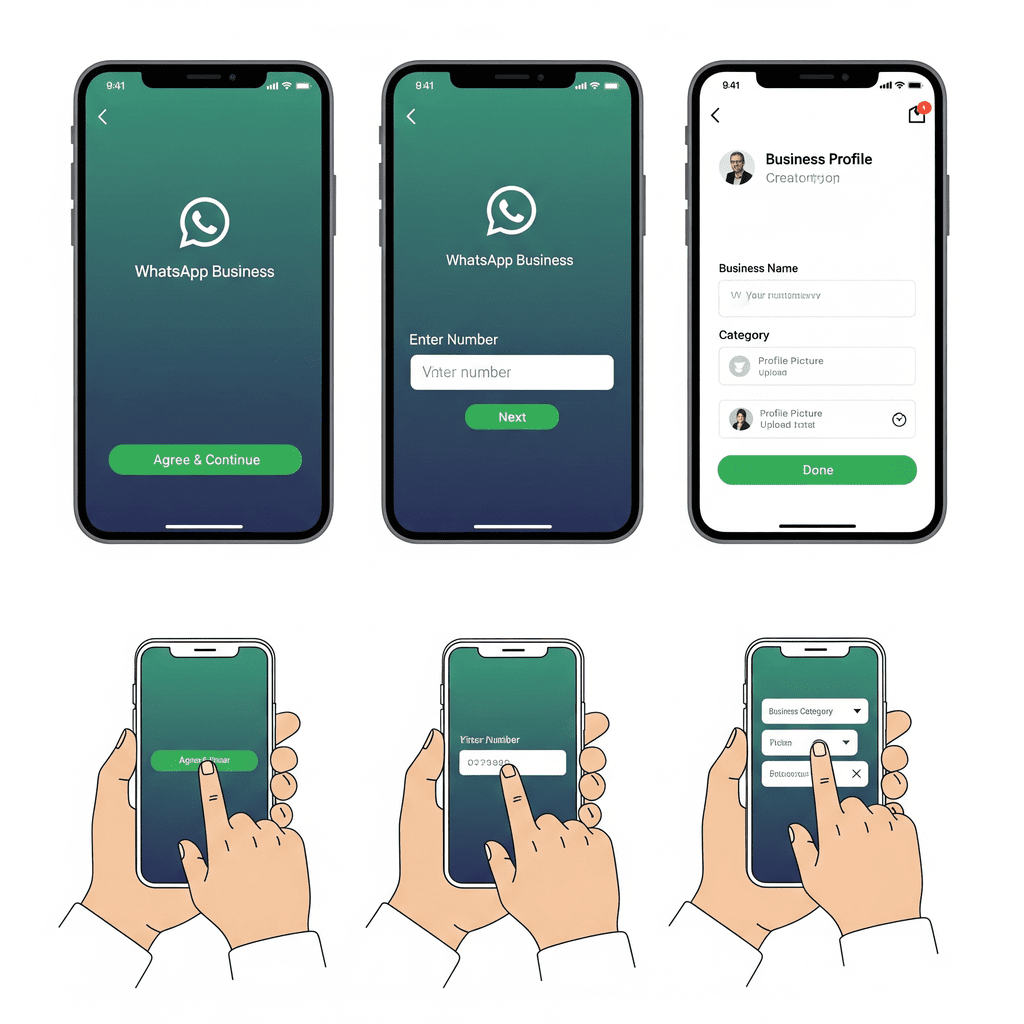
For businesses ready to tap into this trend, the good news is that starting with WhatsApp conversational commerce is relatively straightforward. Here are some practical steps and best practices to help you ace commerce on WhatsApp:
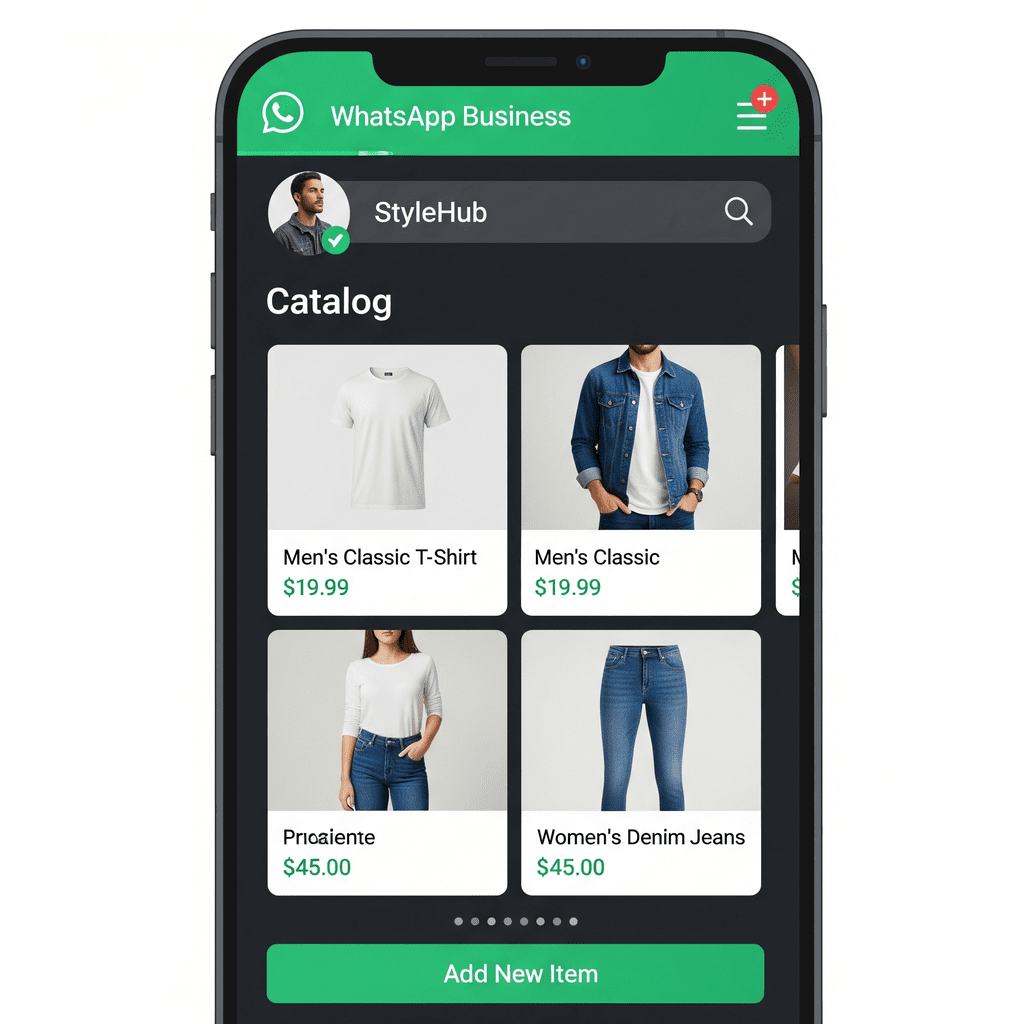
2. Leverage Product Catalogs: One of the first things to do in WhatsApp Business is to set up your Product Catalog. Think of this as your storefront on WhatsApp. Add high-quality photos of your products or services, with clear titles, descriptions, prices, and any relevant details (e.g., sizes, dimensions). Organize items into categories if you have many offerings. The catalog allows customers to browse what you offer right from your WhatsApp profile or via a link you can send in chat. Having a robust catalog means customers can help themselves with basic info, and it makes it easy for you to share product info in a conversation (you can send product cards from the catalog into the chat). Keep the catalog updated – if something goes out of stock or you add new products, maintain your listings so customers aren’t seeing outdated info.
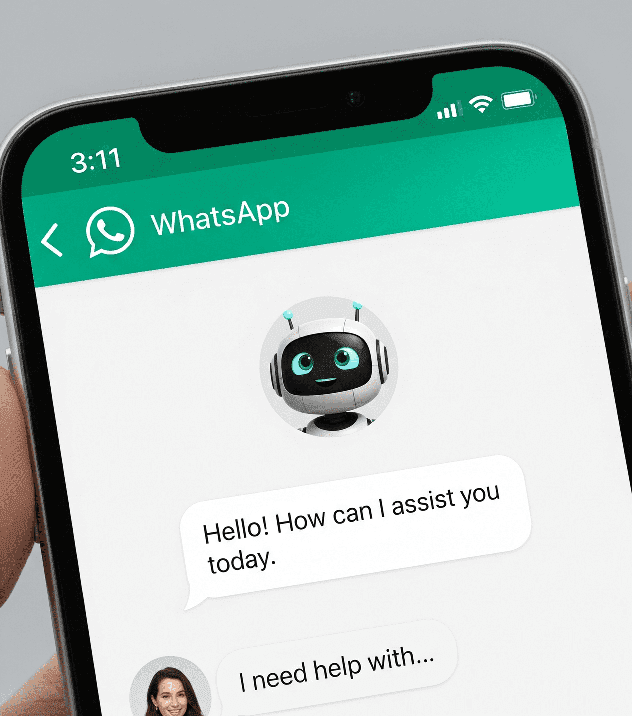
3. Use Chatbots (Automation) Wisely: To scale your conversational commerce, consider deploying a WhatsApp chatbot or automated flows. Many third-party solutions (no-code chatbot builders) can connect with WhatsApp Business API and allow you to create automated question-and-answer flows. For example, a simple bot can greet users with “Hi! Let me know how I can help: 1) Browse products, 2) Track order, 3) Talk to support.” This initial triage can answer common queries or collect info (like the user’s email or order number) before handing off to a human.
Bots are excellent for handling FAQs, taking orders, sending order updates, and collecting feedback. They ensure customers get instant responses even at 2 AM. Just be sure to design the bot with a friendly tone and always offer an option to reach a human agent. A blend of AI and human service tends to work best: let bots tackle repetitive tasks, while humans handle complex or high-value conversations. As AI advances (think Gen AI), these bots can even make personalized product suggestions or upsell complementary items based on what the customer is looking for – mimicking a knowledgeable sales associate in chat.
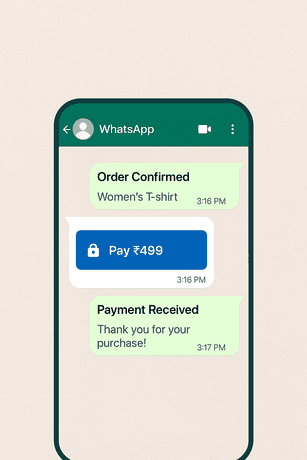
4. Enable Payments and Streamline Checkout: If you operate in a country where WhatsApp Pay or in-chat payments are available (like India or Brazil), definitely integrate that feature. It can be a game-changer. Link your business’s bank or payment account so you can send/receive money on WhatsApp. For everyone else, you can still streamline checkout: use payment links or invoices.
Many payment gateways allow you to generate a web link for a specific amount – you can send that in the chat when the customer is ready to pay. Or use WhatsApp’s integration with catalogs: after a customer confirms an order, you can send an invoice or payment request in chat. The key is to make payment as easy as clicking a link (which opens a secure payment page) or a one-tap in-app pay. The fewer steps, the better. Also, clearly confirm the order and payment received with the customer in the chat, so they have peace of mind that their purchase is complete.
5. Promote Your WhatsApp Channel: “Build it and they will come” doesn’t apply – you need to let customers know they can chat with you on WhatsApp. Promote your WhatsApp contact or chat link everywhere appropriate: on your website (add a WhatsApp chat button or a QR code that opens a chat), on your social media profiles, in email newsletters, and even on physical signage or receipts in-store. Facebook and Instagram allow you to add a WhatsApp contact button on your pages if you connect your accounts. You might run a “Click-to-WhatsApp” ad campaign targeting your audience, which invites people to start a WhatsApp conversation with a single tap from the ad.
This can be very effective for generating leads or inquiries. Consider offering an incentive for customers to message you – for example, “WhatsApp us to get a 10% off coupon” – to kickstart engagement. Once the conversation starts, make sure to be responsive (fast replies are expected!). Over time, as customers get used to the convenience, many will prefer WhatsApp as their main way of interacting with your business.

6. Be Responsive and Human: One of the golden rules of conversational commerce is to respond promptly. Users on WhatsApp expect quick replies – if they message a business and get silence for hours, it hurts the experience. Try to have someone monitoring your WhatsApp during business hours, or use autoresponders to acknowledge messages received off-hours (“Thanks for reaching out! We’ll get back to you first thing in the morning.”). During the critical 24-hour window after a user message (when WhatsApp allows free-form responses), aim to reply as soon as possible.
Studies show that responding to leads within 15 minutes can boost conversion rates by 80% or more. Speed matters, but so does tone. Keep the conversation professional yet friendly and human. Use the person’s name, introduce yourself or your role, and use a conversational tone as you would in person. Emojis are even acceptable in moderation to convey warmth 🙂. The beauty of WhatsApp is that it allows a less formal vibe than email, so you can build rapport. If using templates or automation, customize them so they do not sound robotic. The goal is to make the customer feel like they have a helpful friend on the other end.
7. Follow WhatsApp’s Commerce Policies: When engaging in commerce on WhatsApp, it’s important to adhere to WhatsApp’s rules and best practices (both to avoid getting your number blocked and to respect customers). Ensure you get opt-in consent from customers before messaging them with promotions or newsletters. This can be as simple as them messaging you first (which is an implied opt-in) or them checking a box on your website saying “I want updates on WhatsApp.” Never add someone to WhatsApp blasts without consent – it can lead to complaints.
Use official message templates for initiating chats outside the 24-hour window (WhatsApp requires using approved templates for things like shipping updates, appointment reminders, etc., so get your templates submitted and approved in the WhatsApp Business console). And of course, respect user privacy and preferences: if someone asks to unsubscribe or stop messages, honor it immediately. Avoid sending too frequent or spammy messages – quality over quantity is key to keep users from blocking you. As long as you focus on being helpful, relevant, and conversational, users will welcome your WhatsApp messages rather than see them as spam.
By following these steps, you set a strong foundation for conversational commerce on WhatsApp.
Tip: Start small (e.g., support via chat), then scale with catalogs, automation, and marketing campaigns. Track engagement and refine based on feedback.
Conversational commerce on WhatsApp is not a passing fad, it marks a fundamental shift in how we shop and communicate. As we move into 2025 and beyond, several trends are shaping the future of this space, promising even richer interactions and more opportunities for businesses:
7. Ad-to-Chat and the New Marketing Funnel
The surge of conversational commerce on WhatsApp is reshaping the customer experience. It’s making buying as easy as sending a text. Customers love the convenience, personalization, and instantaneity of chatting with businesses, and increasingly, they will gravitate toward brands that offer this ease.
For businesses, this shift opens up exciting opportunities: higher engagement, better conversion rates, and more meaningful customer relationships built through dialogue rather than one-way broadcasts. It’s a chance to bring back the personal touch of the corner store owner who knows every customer, but to do it at internet scale with the help of technology.
The data and examples are clear: conversational commerce on WhatsApp drives results, from increased sales percentages to stronger loyalty. But beyond the numbers, it aligns with a broader trend in digital behaviour, and people want to communicate in the same natural, conversational ways with businesses as they do with friends. WhatsApp provides the perfect medium for that, and it’s rapidly becoming a commerce powerhouse as a result.
Now is the time to embrace this change. If you haven’t already, make WhatsApp a core part of your customer journey. Set up that business account, train your team (or your chatbot) to be conversational and helpful, and start turning chats into conversions. Whether you’re a small boutique or a large enterprise, conversational commerce can level up your customer experience and revenue.
Don’t let your business get left on read. The rise of conversational commerce on WhatsApp is here, and it’s only gaining momentum. By acting now, you can ride this wave and outperform competitors who stick to old channels. Open that chat with your customer – it just might open the door to your next big sale. Your customers are ready to talk – are you?
Start leveraging WhatsApp in your sales and support strategy today and see the difference. The future of commerce is happening one chat at a time, and make sure your business is part of it.
It’s time to turn those WhatsApp notifications into opportunities and conversations into conversions.
It’s the use of WhatsApp chats to handle the entire shopping journey, from browsing and asking questions to getting recommendations, placing orders, and making payments. Businesses engage customers through live agents or chatbots, making shopping more conversational, convenient, and interactive within the app.
Set up a WhatsApp Business account, add a product catalog, and share your WhatsApp link with customers. Use chat to answer queries, send product details, confirm orders, and accept payments via WhatsApp Pay (where available) or payment links.