Your WhatsApp About (profile bio) is like a mini voice message – a short text under your name that reflects your personality, mood or style. With 3 billion+ users worldwide as of 2025 and millions in India searching for the “best About for WhatsApp”, having a catchy, meaningful bio can make a big impact. Whether you want to be funny, inspirational, cool or heartfelt, the right About line sets the tone for anyone who visits your profile. In this post, we cover everything you need: why a great About matters, tips to write one, and loads of ideas (in English, for boys, short one-liners, etc.) to copy-paste. By the end, you’ll be ready to update your profile with a unique, standout tagline – and even learn about WhatsApp’s latest About features.
Building a strong Best about for whatsapp line shows you care about your image. Whether it’s for friends, family or even business contacts, a well-chosen quote or phrase can set a positive tone. For example, instead of leaving About blank or default, many users add a funny one-liner so that anyone who checks their profile gets a little chuckle. In short, a great About line is brief, reflective of you, and can even spark conversation.
Writing a compelling Best about for whatsapp is easy if you keep a few principles in mind:
WhatsApp recently revamped the Best about for whatsapp feature. The classic permanent bio (up to 139 chars) still exists in your profile settings, but now there’s also a new, ephemeral About update. This update appears at the top of chat and in your profile, and by default it expires after 24 hours. You can even set how long (1 hour, 8 hours, etc.) or make it permanent. To set an update, go to Settings > “What’s happening” under your name (or tap “Set About”), type a short message (up to 50 characters), and choose the duration. This means you can share a quick thought or status temporarily – for example, “Busy building my dreams 💫” – and it will vanish like a story. you can also see deleted message on whatsapp.
Below are many ideas to inspire your own Best about for whatsapp. Mix and match or tweak them to fit you. They’re grouped by style, and you can copy any directly into your profile.
Why it works: Inspirational lines convey ambition or positivity. They show you’re motivated and can resonate with anyone looking for daily boosts.
Why it works: These edgy one-liners (like “Too cool to care” or “Born to stand out.”) convey confidence and style. They’re popular “attitude” picks especially among guys, but anyone can use them to sound bold.
Why it works: These lines are emotional or poetic. They can reflect warmth, gratitude or introspection, giving a gentle, positive vibe.
Why it works: These ultra-short quotes are easy to remember. Great for any profile, they pack meaning in just a few words. For example, “Less talk, more action” or “All in.” shows decisiveness and confidence in brevity.
Although anyone can use any line, guys often gravitate toward stylish, attitude-packed quotes. Here are some boy-focused ideas:
These sound confident and bold. For instance, “Born to rule” or “Too cool to care” are classic attitude lines. Choose ones that match your style – some guys like playful bragging, others prefer being quietly confident. Use keywords like boss, rule, cool, savage to amplify the attitude.
A good WhatsApp About line is usually clear, authentic, and engaging. Here are some general ideas on phrasing:
Experiment and see what feels “you.” Since WhatsApp made About easier to update, try different styles and durations (the new About update feature lets you post a quick status that lasts hours or days). You can also copy someone else’s line if it really clicks with you – many of the examples above are popular for a reason!
A: Think of it like a short voicemail greeting – write something brief and reflective of you. Most people go with a funny one-liner or a motivational quote so visitors get a quick chuckle or inspiration. For example, “Life’s short. Smile while you still have teeth.” or “Hustle until your haters ask if you’re hiring.” Both tell a bit of your personality. The key is to keep it catchy and true to you.
A: A good About line clearly shows your vibe or attitude. It should be short, authentic, and easy to understand. Use a tone (funny, inspirational, etc.) that matches you. Adding an emoji can enhance it – just remember each emoji counts as 2 characters. Avoid overly long sentences; stick to one strong sentence or phrase. In short: grab attention and say something unique about yourself.
A: The classic About (bio) field allows up to 139 characters (including spaces and emojis). In practice, keeping it under ~120 characters is safest to avoid cut-off. However, WhatsApp’s new ephemeral About updates are limited to 50 characters. So if you’re using the new “What’s happening” feature, make it very short. Always check how it looks in your profile to ensure nothing is trimmed.
A: Yes – WhatsApp supports emojis in the About section. They can add visual flair (like ❤️, 😎, or ⚡). Just remember: each emoji counts as 2 characters toward your limit. So use them thoughtfully. A well-placed emoji can emphasize your message (e.g. “Grateful. Always. ✨”).
A: Traditionally, About (or bio) is a permanent line under your profile name, while Status (stories) were temporary updates. According to WhatsApp, “About is a permanent one-liner on your profile, while Status is temporary content (text, photo, video) that disappears in 24 hours”. Update for 2025: The new “About” feature itself now acts like a timed status (it appears atop chats and can expire after your chosen duration). In any case, think of “About” as a quick personal tagline, and “Status” or “Story” as your day’s updates.
A: Short lines punch above their weight! Try single phrases or two-part slogans, for example: “All in.”, “Be epic.”, “Evolving, always.”, “Stay wild.”. You can also do minimalistic ones like “Live ☀️” or “Grateful.”. The DM School even suggests “Less. Better.” and “Focus mode: ON.” as trend-setters. Short About lines are easy to read and very shareable.
Crafting the best WhatsApp About is all about showing your true colors in a few words. Whether you go for motivational, funny, or cool vibes, the key is authenticity and brevity. We’ve given you a treasure trove of examples and tips – now it’s time to put them to work. Pick an About line from above (or create your own using our formula), update your profile, and let your personality shine!
In today’s busy digital world, WhatsApp is a lifeline – over 3.3 billion people use it globally, exchanging 100+ billion messages every day. With so much activity, it’s easy for important conversations to get buried in your chat list. Fortunately, WhatsApp offers a simple solution: pinning chats. Pinning a chat “pins” it to the top of your chat list, so it’s always visible. In this guide (brought to you by SendWo), we’ll explain what pinned chats are, how to Pin Chat in Whatsapp iphone, and why they can make your life easier.
A pinned chat is a conversation that you “stick” to the top of WhatsApp’s chat list. Think of it like bookmarking your most important chats. Whether it’s a daily work group, your best friend, or an ongoing project, pinning ensures you never lose track of those messages. For example, a small business owner how to Pin Chat in Whatsapp iphone a customer orders group to respond instantly, or a busy user might pin family chats for quick access.
Pinning a chat on iPhone is quick and easy. Here’s how to do it:
Tip: On iPhone, you swipe right to pin a chat. In this screenshot, swiping right on a chat revealed the 📌 Pin button – tapping it sends the chat to the top.
After pinning, the conversation stays fixed at the top. You can tell it’s pinned by the little pushpin icon next to it. New messages in other chats won’t bump it down. This keeps your top contacts and groups always at your fingertips.
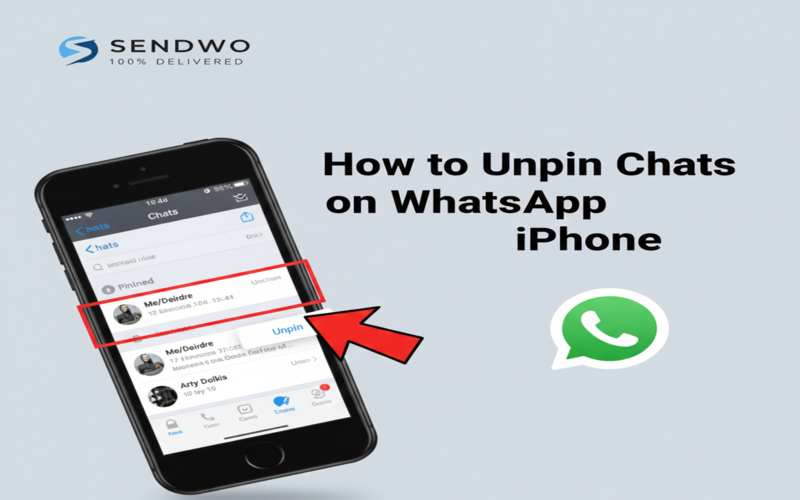
When a pinned chat is no longer top priority, you can unpin it just as easily:
The conversation will move back to the normal list. You can now pin a different chat if needed. In short: swipe right and tap Unpin. This keeps your pinned list fresh and relevant.
How many chats can you pin? As of 2025, WhatsApp lets how to Pin Chat in Whatsapp iphone five chats. (On Android it’s still three.) If you reach the limit, WhatsApp simply won’t allow a sixth pin until you remove one. There’s no special warning message in iOS – the new chat just stays unpinned until you free up space.
Here are some best practices for using pinned chats effectively:
These tips help keep your chat list organized and efficient. how to Pin Chat in Whatsapp iphone ensure urgent or frequent conversations get your immediate attention.
Sometimes you might not see the pin option or it’s not working. Here are common causes and fixes:
If none of these help, try logging out of WhatsApp Web (if used) and back in, or reinstall the app. In rare cases, contacting WhatsApp support may be necessary – remember, WhatsApp is a Facebook/Meta product, so their help team is best for app-specific issues.
A: Yes. You can pin any conversation – personal chat or group – using the same swipe-and-pin method. Pinned chats appear together at the top, regardless of type.
A: In the Chats list, swipe right on the pinned chat and tap the Unpin (📌 with a slash) icon. It will move out of the pinned section.
A: Up to five chats can be pinned on an iPhoneIf you have five pinned, unpin one before adding a new pin.
A: Common reasons include using an outdated WhatsApp version, having already pinned five chats, or swiping the wrong way. Make sure your app is updated and that you swipe left-to-right on the chat row. Also, try restarting the app or phone.
A: Pins are tied to your account. A chat you pin on your iPhone should also appear pinned when you open WhatsApp Web or desktop (and vice versa), but there can be a brief delay. If it doesn’t sync immediately, try refreshing the web chat or waiting a minute.
Pinning chats is a quick way to organize WhatsApp and stay on top of your key conversations. By keeping up to 5 important chats at the top, you save time and avoid missing urgent messages. Try pinning your busiest chat today and see how much easier it is to manage your messages.
WhatsApp is one of the world’s most popular messaging apps – as of 2025 it boasts over 3.3 billion active users globally. However, concerns about data privacy and personal security have driven many people to seek a fresh start. Whether you’re switching to a more private chat app or simply need a clean break, deleting your WhatsApp account is straightforward. In this guide, we’ll walk you through exactly how to delete whatsapp account on both Android and iPhone, explain what happens behind the scenes, and answer common questions so you can make an informed decision.
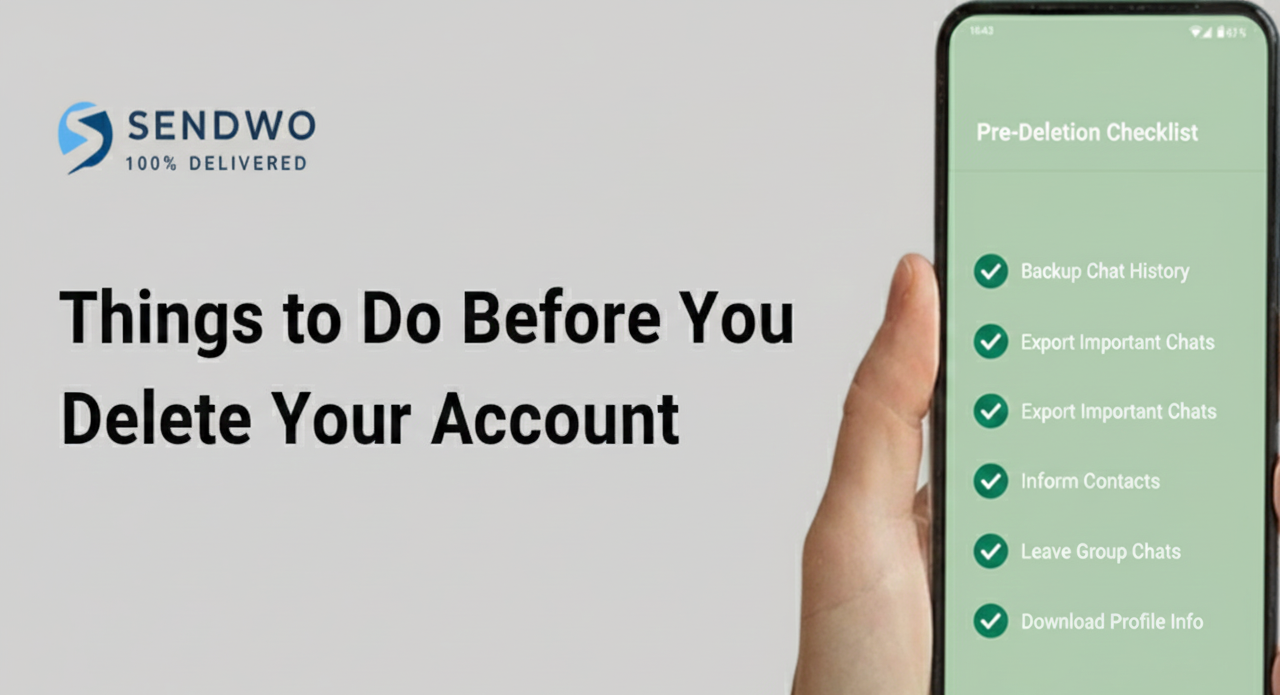
Before you tap that final Delete button, be prepared. Here are some key steps to take:
Deleting your account is done in the app on your phone. (You cannot delete from WhatsApp Web or the desktop app.) The process is virtually the same on Android and iPhone, with slight UI differences. Follow the instructions below for your device.
You will see a final warning screen, explaining that this action will erase all your data (your screen will look like the image above). Tap the red how to delete whatsapp account button to complete the process. Your WhatsApp account is now deleted from that phone.
After confirming, WhatsApp will erase your data. You’ll see a message confirming your account is deleted. Note that this only deletes the account on that device; if you have WhatsApp installed on another phone with the same number, you should how to delete whatsapp account there too. Remember: WhatsApp does not send a confirmation email or SMS – your account is simply gone.
If you use WhatsApp Business (the separate mobile app) and want to how to delete whatsapp account that business account, the steps are identical to above. However, if you’re a company using the WhatsApp Business API (through a Business Solution Provider likeSendWo), you cannot delete the account via the app. In that case, contact your BSP or use WhatsApp’s Business Manager to remove the account.
Once you delete your WhatsApp account, WhatsApp starts cleaning up your data:
In summary, account deletion is almost immediate on your end, but WhatsApp may take up to 3 months to purge your backups and logs. Meanwhile, your profile vanishes and the app simply won’t work for your number.
If you’re uncertain about deleting or only want a temporary break, consider these options first:
These alternatives can give you flexibility without an irreversible step. But if you ultimately want to how to delete whatsapp account, follow the steps above and rest assured you’ve covered all bases.
A: Open WhatsApp on your phone, go to Settings ▶ Account ▶ Delete My Account, enter your phone number and follow the prompts. We covered the step-by-step process above for both Android and iPhone.
A: Your entire account data (profile, messages, groups, backups) is scheduled for deletion. WhatsApp says account access is blocked immediately and backup data is deleted within about 90 days. You will be removed from groups, and any backups tied to your account will eventually disappear. However, messages you sent others will not be removed from their chats.
A: No, WhatsApp does not notify your contacts explicitly. To them, your profile will just disappear – they will no longer see your picture or be able to message you, and your status will say something like “Account deleted”. It’s a good idea to tell close contacts beforehand if you want to avoid confusion.
A: No, account deletion is permanent. Once gone, WhatsApp cannot restore your account or chat history. If you sign up again with the same number, it will be a fresh account with no previous chats. The only way to keep anything is to export or backup chats before deleting.
A: Officially, WhatsApp states that your backup data may remain on their servers for up to 90 days before it’s fully deleted. After that period, even backups should be gone. Other data (like log files) may be retained in anonymized form or for legal reasons beyond that.
A: Deleting your account signs it out everywhere. If you how to delete whatsapp accounton one device, your account is removed from all devices and can’t be used until you register again. You cannot delete from WhatsApp Web or from a linked device; deletion must be done from the primary phone app.
A: No, uninstalling the app alone does not delete your account or messages. Your data remains on WhatsApp’s servers and you can pick up right where you left off when you reinstall. Uninstalling is a temporary stop – deletion is permanent.
Deleting your WhatsApp account is a big step, but sometimes the right one for privacy or a fresh start. Just be sure to backup anything important, inform your contacts, and understand that the process is irreversible. Once deleted, all your chat data and backups will vanish (within about 90 days) and your profile will disappear from WhatsApp.
WhatsApp is used by over 3 billion people worldwide, making it the world’s most popular messaging app. Losing your chat history can be devastating, especially when you rely on WhatsApp to share photos, videos, and important messages every day. Fortunately, WhatsApp on Android can back up chat to Google Drive, allowing you to recover everything if you ever switch phones or reinstall the app. In this updated 2025 guide, we’ll walk you through exactly how to Restore WhatsApp Backup from Google Drive, step by step. We’ll also cover common issues and the latest changes (for example, Google now counts that how to Restore WhatsApp Backup from Google Drive in your Drive storage) that you should know.
How to Restore WhatsApp Backup from Google Drive is a lifesaver when you lose or upgrade your device. By default, WhatsApp saves a local backup on your phone every night, but only the last 7 days of chat history are kept. That means if your phone is lost or damaged, you only have one week of history on the device. How to Restore WhatsApp Backup from Google Drive, however, stores your message, photos and videos in the cloud so they survive device changes. Note: starting in early 2024, WhatsApp’s Google Drive backups count toward your Google storage, so be sure to monitor your Google Drive space.
Your WhatsApp chat history from Google Drive is now restored on the device.
If the restore fails or won’t start, these common fixes can help:
Android and iPhone backups are handled differently. Android uses Google Drive; iOS uses iCloud. These systems are not compatible. In practical terms, you cannot restore an Android (Google Drive) backup on an iPhone. WhatsApp provides a separate transfer process (via Move to iOS) when switching platforms, but it bypasses Google Drive. Third-party tools like Dr.Fone or MobileTrans can migrate chats between Android and iPhone, but those require extra steps or a computer.
A: On your Android phone, uninstall and reinstall WhatsApp. Verify the same phone number used for your backup. After verifying, WhatsApp will prompt you to restore from Google Drive. Tap Restore, then tap Next when it finishes. Your chats will then appear in the app.
A: This usually happens if the Google account or phone number doesn’t match the backup. Make sure you’re signed into the same Google account and using the same phone number that created the backup. Also confirm the backup exists by checking the Backups section in Google Drive.
A: No. WhatsApp only allows restoring the latest Google Drive backup. Older backups are automatically overwritten. Once you make a new backup, the old one is gone and cannot be recovered.
A: Unfortunately not. Android uses Google Drive and iPhone uses iCloud, which are not compatible. To move chats from Android to iPhone, use WhatsApp’s official transfer (Move to iOS) or a third-party migration tool. You cannot directly import a Drive backup into iOS.
A: Yes. Since early 2024, WhatsApp backups on Google Drive count against your Google account’s free storage. If you’re near the 15 GB limit, you may need to clear space or upgrade (e.g. Google One) to avoid backup failures.
Imagine juggling two phones but needing one WhatsApp account. Thanks to WhatsApp Web, you can scan a QR code to link your chat across devices. In fact, WhatsApp now boasts over 3 billion users worldwide, sending 100+ billion messages daily. With so much traffic, it’s no surprise that businesses (around 50 million of them) rely on WhatsApp Web to sta y connected. Using the WhatsApp Web QR Code Mobile to Mobile method, you can open your chat on a second phone just like on a desktop. This guide (brought to you by SendWo) shows how to set it up, what it’s good for, and how to tr oubleshoot common issues. We’ll also cover the latest multi-device features and answer popular questions. Let’s dive in!
To use WhatsApp Web QR Code Mobile to Mobile, you simply treat one phone like the “desktop” and scan its QR with your primary phone. Here’s how:
That’s it! You’ve effectively created a WhatsApp Web QR Code Mobile to Mobile bridge. Phone B is now acting like a WhatsApp Web client. You can chat, read and reply to message, and even send photos – all from the second phone’s browser.
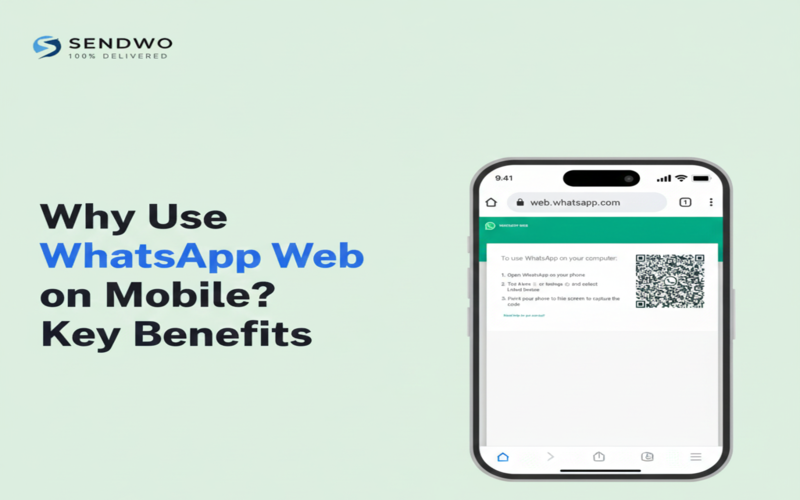
Linking WhatsApp across two phones may seem niche, but it has real-world advantages:
In short, using WhatsApp Web QR Code Mobile to Mobile keeps you productive and reachable. It turns any phone’s browser into an extension of your WhatsApp account, which is especially handy in business or urgent scenarios.
Pro Tip: Even with multi-device, the QR code method still works great for a quick link. Combine both – use QR scanning to link instantly, then enable companion mode to keep devices connected long-term.
Even this simple process can have hiccups. Here are some quick fixes:
No QR Code Appearing? Make sure you’ve enabled “Desktop Mode” correctly on Phone B’s browser. If the QR doesn’t show or refreshes strangely, reload the page or try a different browser. A strong internet connection on both phones is essential.
QR Code Too Small or Won’t Scan? Rotate the phone to landscape or zoom out in the browser so the QR fills the screen. Clearing the browser cache or opening a fresh tab can help. Ensure Phone A’s camera has permission and focus is clear. Often, simply rotating or moving back until the QR fits in view does the trick. Session Dropped / Signed Out? By default, WhatsApp Web QR Code Mobile to Mobile only keeps one session active per account. Logging in on a new device will log out the previous one. If you need multiple concurrent sessions, use the official multi-device mode. Otherwise, just repeat the scan whenever needed.
In most cases, following the step-by-step above and keeping devices charged fixes any issue. If a QR scan fails repeatedly, try tapping Log out from all devices in your app and start fresh. The key is patience and a steady setup – once linked, it usually “just works” until you manually log out.
A: Yes! Although WhatsApp Web QR Code Mobile to Mobile was designed for desktops, you can use it on a second phone. Simply open a browser on Phone B, enable Desktop Mode, and go to web.whatsapp.com . Then scan the QR code with WhatsApp on your main phone. This effectively lets Phone B act as a desktop client.
A: On your primary phone, open WhatsApp and tap Linked Devices → Link a Device. Then point its camera at the QR code shown on the second phone’s browser (opened to WhatsApp Web QR Code Mobile to Mobile). The code links the two devices instantly. Alternatively, use WhatsApp’s new companion mode (enter your number on web.whatsapp.com) to add the second phone without scanning.
A: Yes. With companion mode, one WhatsApp account can be used on up to 4 additional phones. Each linked phone receives the same messages independently. Keep in mind that if your primary phone stays offline for too long, companion devices may log out for security.
A: It depends. Without multi-device, the primary phone must stay connected to the internet to sync chats. However, once you use multi-device or companion mode, your linked phones and computers maintain their own connections. In other words, after initial linking, secondary devices can continue sending/receiving even if the main phone is offline.
A: The QR login is very secure. The code is unique and only valid for a short time. Scanning doesn’t expose your password – it simply establishes an encrypted session tied to your phone number. WhatsApp explicitly uses end-to-end encryption and device verification during this process, so only your phone (the one that scanned) can use that login. Always keep your QR codes private and log out of devices you no longer use.
A: Common issues: the code expired (it refreshes frequently), your camera didn’t focus, or the browser isn’t in desktop view. Simply refresh the browser, ensure “Desktop Site” is enabled, and try again. Also make sure no other app is blocking the camera. If problems persist, logging out and starting fresh usually solves it.
A: Officially, you can link your account to 4 devices in multi-device mode (this includes computers and phones), plus your one main phone. Regular WhatsApp Web (without companion mode) counts each link individually and will kick out older links if you exceed the limit.
A: No, WhatsApp Web QR scanning is simply a user interface feature. Tools like SendWo (which use WhatsApp Business API) are for bulk messaging, chat automation, and CRM integration. However, linking devices can complement those tools by letting your team stay logged in. For example, a support agent could use WhatsApp Web on a tablet and still send transactional messages through SendWo’s API on the backend.
Upgrading to a new smartphone is exciting, but it often raises a big question: how to transfer chats from WhatsApp to new phone without losing precious messages and media. With WhatsApp boasting 3.3 billion active users in 2025, your chat history likely holds years of memories and vital information. The good news is that transferring WhatsApp data is easier than ever, thanks to built-in backup tools and official migration features. In this guide, we’ll walk you through step-by-step methods to migrate your WhatsApp chats safely and fully – whether you’re moving from Android to Android, iPhone to iPhone, or even between Android and iPhone. By following these instructions and tips, you can upgrade your device worry-free, knowing every message is backed up and ready on your new phone. Let’s dive in! how to transfer chats from WhatsApp to new phone.
Your WhatsApp chats capture everything from family moments to work conversations. Losing this history when switching phones can be frustrating or even costly for businesses. By transferring how to transfer chats from WhatsApp to new phone, you preserve memories and maintain continuity. For example, a survey shows over 100 billion messages are sent daily on WhatsApp, so missing chat threads could mean losing crucial information. Whether it’s photos from a recent trip or client orders in a business group, keeping chats intact ensures nothing is lost in transition. Plus, for entrepreneurs using WhatsApp for customer support, platforms like SendWo rely on uninterrupted chat flows – seamless chat migration keeps your service smooth.
Before moving how to transfer chats from WhatsApp to new phone, create a fresh backup on your old device. This makes the transfer smooth and ensures you have a copy if anything goes wrong. WhatsApp provides two main backup methods:
Android (Google Drive):
Make sure you’re connected to Wi-Fi (especially if you have lots of media).
This stores your messages and media in Google Drive, ready to restore on the new phone.
iPhone (iCloud):
Ensure you’re signed into iCloud and have enough iCloud storage space.
This saves your chat history and media to iCloud for later restoration.
Local Backup (Android):
WhatsApp also creates daily local backups on Android devices. For extra safety, you can copy the backup file manually: use a file manager to go to WhatsApp/Databases on your phone’s storage and copy the latest msgstore file to the new device (same folder). The next time you install WhatsApp on the new phone, it will detect and restore this local backup.
Export Chat (Any device):
For individual chats, WhatsApp lets you export chats (via email or other apps). In any chat, tap More ⋮ > More > Export Chat. You can email the chat to yourself (with or without media). Note: Exported chats aren’t importable back into WhatsApp; they’re just for archival or reading outside the app. Use this for specific important chats if needed.
Important: Always use the same phone number on the new phone when restoring. WhatsApp backups are tied to your number, so verify your number on the new device to retrieve the backup.
If you’re moving from one Android phone to another Android phone, WhatsApp makes it straightforward:
This method retains all chats and media and is the easiest when both phones use Android and Google services.
Tip: This offline method is handy if you have a lot of media or limited internet. It also works when you don’t want to use Google Drive.
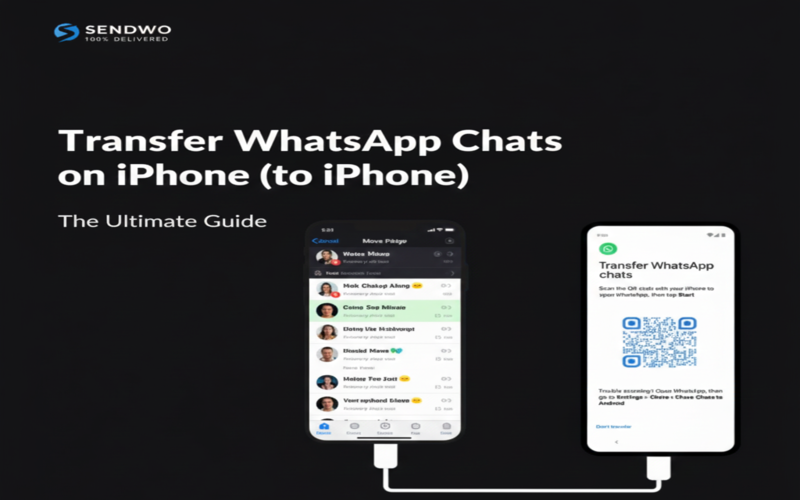
For iPhone users switching to another iPhone, the process is similar using iCloud:
Using iCloud Backup (Standard):
If you prefer or if iCloud has limited space, you can back up your old iPhone to a computer via iTunes (Windows) or Finder (Mac):
Switching platforms (Android ↔ iPhone) used to be tricky, but WhatsApp now offers official solutions:
Why it works: Apple’s Move to iOS (with WhatsApp’s support) wirelessly migrates your entire chat history. Apple confirms that this process moves WhatsApp message and media to the new device . You need an iPhone with iOS 15.5+ and an Android phone running Android 5 or later, along with updated WhatsApp apps.
Prepare the Android device: It must be new or reset (Android 12 or above is required for the official transfer). Install the latest WhatsApp on Android but do not open it yet.
Connect the devices: Use a compatible Lightning-to-USB-C cable (or Lightning-to-USB adapter and USB-C cable) to link your iPhone and Android.
This method is now officially supported for many Android phones. For example, Samsung’s Smart Switch uses a very similar cable + QR code flow: Samsung instructs users to “scan the QR code shown on your Galaxy phone using the iPhone’s camera” and then Start the transfer in WhatsApp. In short, connect and scan to move everything.
Alternative for iPhone→Android: If you can’t use a cable, Samsung phones let you sign in to iCloud via Smart Switch (wireless). You back up WhatsApp on iPhone to iCloud, then in Smart Switch on the Galaxy choose Receive data > iPhone, then Get data from iCloud. After signing in with your Apple ID, Smart Switch will download your WhatsApp content. Finally, install WhatsApp on the Galaxy and restore from the Smart Switch backup.
Key Requirements: Make sure both phones have the same WhatsApp number. On Android, your device should be on Android 12+ and the newest WhatsApp version. On iPhone, use iOS 15.5+ with updated WhatsApp. Under these conditions, the official transfer “will move your entire chat history, profile photos, groups, and settings” just as expected.
Beyond built-in tools, there are alternate ways to move chats:
Even with the right steps, you might run into issues. Here are quick fixes:
If problems persist, consult WhatsApp’s official Help Center or your phone manufacturer’s support (Apple or Samsung have guides). But usually, carefully following the above methods resolves almost every case.
Migrating your how to transfer chats from WhatsApp to new phone can be smooth if you follow the right steps. Back up your chats first (to Google Drive or iCloud), then use WhatsApp’s restore or migration feature on the new device. Android-to-Android and iPhone-to-iPhone transfers are straightforward with cloud backups. For Android↔iPhone, use Apple’s Move to iOS app or a cable transfer (as official guidelines now support chat migration). Double-check your WhatsApp version and phone OS, and ensure you have sufficient storage space. With these preparations, your entire conversation history – from text messages to voice notes and photos – should appear on your new phone just as it was on the old one.
Ready to upgrade? Make sure to complete these transfer steps before erasing your old device. And if you rely on WhatsApp for business, consider SendWo for a seamless messaging experience. As an official WhatsApp Business Solution Provider, SendWo keeps your chats organized and safe, even during phone switches. Start your free trial on SendWo today and keep your communication flowing without interruption!
A: First, back up your chats on the old phone (Google Drive for Android, iCloud for iPhone). Then install WhatsApp on how to transfer chats from WhatsApp to new phone, verify the same phone number, and restore from the backup when prompted. WhatsApp will download your chat history and media.
A: Yes. Use Apple’s Move to iOS app during iPhone setup. Connect both phones, enter the code shown on the iPhone into the Android app, and select WhatsApp to transfer. WhatsApp chats and media will migrate to the iPhone. You’ll need iOS 15.5+ on the iPhone and Android 5+ on the old phone.
A: Yes. Connect your iPhone and new Android with a Lightning-to-USB-C cable. Follow the prompts in WhatsApp (iPhone) to “Move chats to Android,” scanning the Android’s QR code. The chats will transfer directly. Many Android phones (like Samsung Galaxy) also support this via Smart Switch. Ensure Android 12+ is installed for this feature.
A: On Android, you can copy the local backup file (WhatsApp/Databases/…) from the old phone to the new one and then restore during WhatsApp setup. Alternatively, use Export Chat to email conversations (though this won’t import back into WhatsApp). For iPhone, you could use iTunes/Finder to back up and restore the entire device. Third-party tools (e.g., MobileTrans) can also move chats offline.
A: Common reasons: you’re not using the same Google/iCloud account or same phone number as the backup. Make sure WhatsApp on the new phone is logged in with the correct credentials. Also check that there is enough free storage and that you are connected to the internet or have inserted the SD card with the backup file. If you still can’t restore, try creating a fresh backup on the old phone and repeating the process.
A: WhatsApp’s full backup will restore all chats. To move specific conversations, use Export Chat: open the chat, tap ⋮ > More > Export Chat, and choose to include media or not. Email it to yourself, then open it on how to transfer chats from WhatsApp to new phone. Note, this only saves the chat as a text file (with images as attachments if chosen); it won’t appear as a normal WhatsApp conversation.
A: Yes. WhatsApp uses end-to-end encryption for messaging. Backups can also be encrypted (you may set a backup password). During transfer, the data is moved securely. Ensure that the backup’s encryption (if any) is supported and enter the password on the new device if prompted.
Imagine you need to notify every person in a large WhatsApp group about an urgent announcement. how to tag everyone in WhatsApp group each member one by one is tedious, and WhatsApp doesn’t offer a straightforward “mention all” button in standard groups. So how to tag everyone in WhatsApp group? In this guide, we’ll explore step-by-step methods and proven tricks – both official and creative – to ensure your message reaches all members. We’ll cover built-in features like broadcast lists and Communities, manual mentions, and even third-party tools (likeSendWo) that can help you broadcast messages at scale. By the end, you’ll know exactly how to reach every member of a WhatsApp group without missing a person.
how to tag everyone in WhatsApp group is useful for important updates or urgent alerts. For example:
In each case, notifying all group members at once prevents information gaps. However, because WhatsApp lacks a one-click “notify everyone” feature (aside from certain Community tools), group admins must use workarounds to achieve the same effect.
On WhatsApp, typing @ in a group chat brings up the list of members. Selecting a name mentions that person, and they receive a notification even if the group is muted. This is useful for calling out individuals, but not all at once. Unlike some chat apps, WhatsApp standard groups don’t have a built-in “@everyone” command anymore. (WhatsApp briefly tested an “@everyone” feature, but it was officially removed from regular groups.)
That means in a normal group chat you can only mention one person at a time. If you need to reach every member, you’ll have to either manually mention everyone, use other WhatsApp features, or rely on a broadcasting tool. We’ll go through each of these options below.
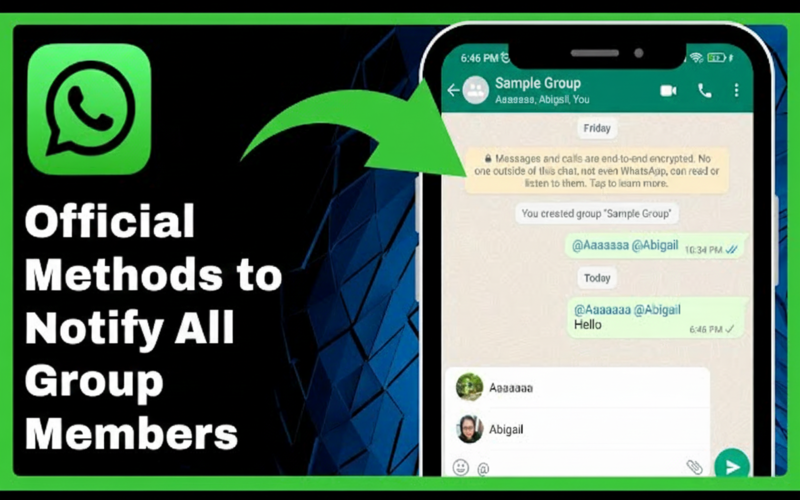
Even though there’s no single “tag all” button in a normal group chat, WhatsApp offers a few official ways to notify a large audience:
WhatsApp is gradually rolling out an “Everyone” mention in some versions. To try this:
If you see an @everyone or group-name suggestion, you’ve found the easiest solution tohow to tag everyone in WhatsApp group. Unfortunately, this feature isn’t available to everyone yet. If you don’t see it, move on to the next methods.
WhatsApp Communities include a special Announcement Group where admins can broadcast to all members of the community. If your group is part of a WhatsApp Community and you’re an admin, you can effectively notify everyone by mentioning the group name:
This is currently the only official “tag everyone” method on WhatsApp – but it only works within Communities. If you don’t use WhatsApp Communities, skip to the next option.
A Broadcast List sends a private copy of your message to each recipient. It’s not a group chat mention, but it ensures everyone gets the message. To use a broadcast list:
Each person receives your message as a normal one-on-one chat (so they don’t see others). Remind recipients to save your number in their contacts – otherwise they won’t get your broadcast message. This method is perfect for private announcements: everyone is notified, but replies come individually. Unlike group tagging, broadcasts won’t interrupt a muted group chat because they are direct messages.
If the above methods aren’t an option, the old-fashioned way is to manually mention each person:
This works, but it’s tedious in large groups. Techpoint notes it’s the only remaining method for standard groups if “Everyone” isn’t available. For very large chats, consider splitting into smaller subgroups or enlisting co-admins to tag in parts.
Update WhatsApp: Ensure you have the latest app version (or join the beta) to access any new mention features.
If you manage many groups or large audiences, consider WhatsApp Business API tools. Platforms like SendWo let you use official bulk messaging features to reach hundreds or thousands of contacts at once. These solutions avoid WhatsApp’s limits on manual tagging and ensure you comply with messaging policies.
Tagging everyone is powerful but should be used wisely:
Example Scenario:
Jane, a community manager, must announce a sudden meeting change to her 50-member how to tag everyone in WhatsApp group. First, she tries typing @ in the group chat. No “Everyone” appears. Jane then creates a Broadcast List of all 50 members (after making sure they have her number saved). She sends the new meeting details via broadcast so everyone gets it privately. Finally, she drops a short post in the group chat tagging a few key team leads by name to encourage further discussion. This approach ensures the message reached all members (via broadcast) and sparks group replies (via mentions).
A: Not directly in a standard group chat. WhatsApp removed the universal @everyone tag for regular groups. The only way to tag all at once is via a Community’s announcement group (by mentioning the group name) or by using workarounds like broadcast lists.
A: A Broadcast List sends your message as a private message to each person (up to 256 contacts). Recipients see it as a one-on-one chat. In contrast, mentioning someone (@name) is done inside a group chat. Broadcasts require the receiver to have your number saved.
A: Yes. A mention creates an @ notification, so even if a member has the group muted, they’ll see your name in the message notification. (Note: some experimental "tag all" features may override mutes in testing.)
A: Be careful. Unofficial mass-tagging scripts or bots can violate WhatsApp’s terms and get your account restricted. Always use WhatsApp’s official methods (broadcast lists, communities) or an approved API service like SendWo.
A: You can add up to 256 contacts in a Broadcast List. If you need to reach more people, send multiple lists or use a business API solution.
A: Only the Community admins can post announcements in the Community’s Announcement Group. All members in the Community can see those posts.
Imagine this: you’re texting your local grocery store or a friendly chatbot on WhatsApp, browsing fresh produce and pantry staples, then placing your order without ever opening a browser. Grocery shopping on WhatsApp is revolutionizing retail by bringing everything to your chat window. In 2022, Reliance’s JioMart in India launched an end-to-end Grocery Shopping on WhatsApp. Users simply send “Hi” to JioMart’s WhatsApp number, browse thecatalog, add items to cart, and pay—all within the same chat. This convenience empowers even first-time online shoppers to buy daily essentials just by sending a message.
WhatsApp isn’t just for chatting with friends anymore – it’s turning into a super-app for shopping and commerce. With over 2 billion users worldwide (and 500 million in India alone), WhatsApp offers incredible reach. Brands love it too: WhatsApp messages see ~98% open rates (versus ~20% for email), and about 80% are read within 5 minutes. That immediacy translates into high engagement – campaigns on WhatsApp often convert at 45–60%, compared to just 2–5% for email or SMS. It’s no wonder Mark Zuckerberg hailed JioMart on WhatsApp as “our first-ever end-to-end shopping experience” on the app. People feel comfortable and secure on WhatsApp (73% prefer chat over email or phone support), making it a natural choice for grocery shopping on WhatsApp.

In August 2022, Meta and India’s Reliance Retail announced JioMart on WhatsApp – the world’s first fully in-chat grocery store. This made WhatsApp a direct storefront: anyone in India can start by messaging “Hi” to the JioMart number. JioMart’s catalog (millions of grocery items) then appears in chat. The user adds to cart and pays via WhatsApp’s UPI integration. Mark Zuckerberg highlighted that this partnership was “first-ever end-to-end shopping” on WhatsApp.
The impact was huge. Millions of new customers – including those never before shopping online – got an easy way to order groceries. Reliance’s chairman Mukesh Ambani explained this aligns with their vision to make India a digital economy leader. The experience was so successful that Meta now aims to expand similar shopping features to other businesses in India and beyond.
For grocery store owners or chains, enabling WhatsApp shopping is straightforward with the right tools. Here’s how businesses can get started:
By following these steps, a grocery business can transform its WhatsApp number into a digital storefront. SendWo (an official Meta Business Solution Provider) can help with the technical integration – from setting up the API and chatbot to managing message templates. This means even a small shop can deliver a polished, Amazon-like experience entirely on WhatsApp.
A: If your local store or supermarket supports it, simply send a message (often “Hi”) to their WhatsApp number. For example, in India JioMart’s number is +91 7977079770. You’ll see a product catalog pop up. Browse items, add to cart, and then follow the prompts to check out.
A: Yes. In supported regions (like India), WhatsApp has integrated payment options (UPI, credit cards, etc.) directly into the chat interface. You pay inside the app without needing an external payment link. This is secure (WhatsApp uses encryption) and convenient – many find it easier than cash or separate payment portals.
A: Big examples include JioMart (India). Beyond that, many local grocers around the world – especially in Asia and Latin America – accept orders via WhatsApp. Even if a store doesn’t have an official integration, they might still chat with you on WhatsApp to take your order and process payment manually. If you’re unsure, ask your favorite grocer if they have a WhatsApp ordering service.
A: The official in-chat shopping feature (with carts and payments) has rolled out mainly in markets like India and Brazil. However, in practice people use WhatsApp to buy groceries in many countries. Rules vary: payment features may not be live everywhere yet. But even without that, WhatsApp Business allows sellers to receive orders and send invoices, so it’s catching on globally.
A: Yes. WhatsApp encrypts all messages end-to-end, so your chat is private. Payments through UPI or credit card on WhatsApp use secure financial systems. Just be sure you’re chatting with the official store account (look for a business profile with a green tick when available). Avoid sharing sensitive information beyond what’s needed for the purchase.
A: WhatsApp is designed for instant messaging, so you can simply reply in the order chat. Many businesses provide 24/7 support via chatbots or quick replies, meaning you get fast answers about availability, substitutions, or delivery issues. This is one of the biggest perks of conversational commerce – you get help immediately in the same chat thread.
WhatsApp, with over 2 billion users worldwide, uses blue ticks (two blue checkmarks) to show when a message has been read. While helpful, these read receipts can feel intrusive. As Times of India notes, blue ticks “can raise privacy concerns and social pressures” because people may feel rushed to respond. If you’ve ever googled “how to turn off blue tick in WhatsApp” or “how to remove blue tick from WhatsApp,” you’re in the right place. This guide covers exactly how to disable blue tick in WhatsApp on Android and iPhone (and even on WhatsApp Web), what read receipts mean, and tips to use WhatsApp more privately. We’ll also answer common questions like “how to disable blue tick in WhatsApp” and “read receipts in WhatsApp means what”, so you can keep your messaging stress-free. Let’s dive in! how to turn off blue tick in WhatsApp.
WhatsApp uses checkmarks (ticks) to indicate message status. Here’s how they work:
In other words, blue ticks mean “seen”. The image above shows this sequence (Sent ▶ Delivered ▶ Seen). Turning off blue ticks is the same as disabling read receipts: other people will no longer know when you’ve read their messages (and vice versa).

Many users turn off read receipts for privacy and peace of mind. With blue ticks on, you may feel pressured to reply immediately. As Times of India explains, blue ticks confirm delivery but they “may also create a sense of urgency to respond promptly”. Disabling them can reduce stress.
Benefits of disabling blue ticks include:
SendWo’s own experience shows business users value this control too. WhatsApp Business accounts have the same setting, so a team can disable blue ticks to manage customer expectations without stress. In short, if you want to know how to turn off blue tick in WhatsApp for privacy or calmer chats, it’s a quick setting change away.
Disabling blue ticks is built into WhatsApp’s privacy settings. Here’s how to do it on each platform:
Each of these steps will disable the blue ticks (read receipts) for personal chats. Remember: when you turn off read receipts, it applies both ways. The sender won’t see blue ticks on messages you read, and you won’t see blue ticks for messages the sender reads.
For WhatsApp Business users, the procedure is the same as regular WhatsApp. After how to turn off blue tick in WhatsApp, you can always re-enable read receipts by following these steps again.
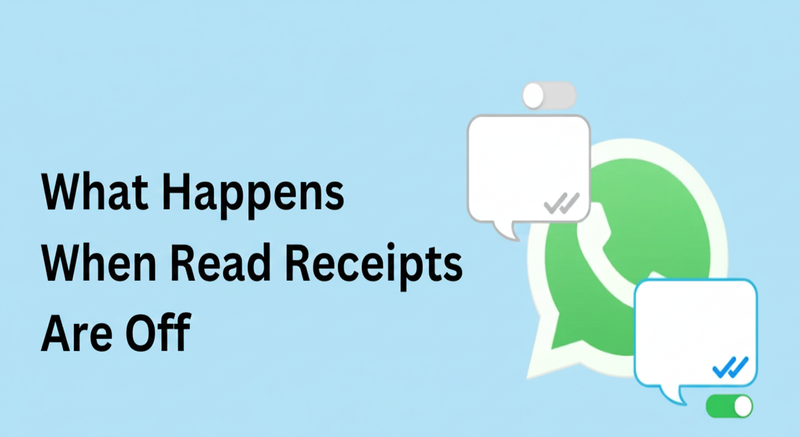
Disabling read receipts (blue ticks) has these key effects in WhatsApp chats:
For example, Airdroid explains: “once read receipts are turned off, the blue ticks in individual chats will no longer appear… This change won’t affect group chats… You also won’t be able to see when someone reads your messages”. Keep these points in mind as you decide whether to disable WhatsApp’s read receipts.
If you prefer not to toggle off read receipts permanently, there are a few temporary workarounds:
Use these hacks when you want to peek at messages without alerting the sender. Just remember they only work temporarily and require manual steps; disabling read receipts in Settings is the more permanent solution.
A: Go to Settings > Account > Privacy in WhatsApp, and toggle off Read Receipts. On Android you tap ⋮ > Settings > Account > Privacy, on iPhone tap Settings (gear icon) > Account > Privacy. This will disable the blue ticks.
A: No – WhatsApp’s read receipt setting is global. If you how to turn off blue tick in WhatsApp called Read Receipts, it applies to all individual chats. You cannot selectively disable blue ticks per person.
A: They refer to the two blue checkmarks that indicate a message was opened and read. In other words, once you see double blue ticks, you know the recipient has read your message.
A: No. Disabling read receipts is reciprocal. Neither party will see blue ticks for messages read by the other.
A: No. Read receipts are separate from Last Seen/Online. Disabling read receipts does not affect your Last Seen or Online visibility. Those have their own Privacy settings.
A: Yes. Group chat read receipts always work the same – blue ticks appear when everyone reads the message. Your read receipts setting only affects one-on-one chats.
A: Generally, yes. Voice messages behave like an exception. Most guides (and WhatsApp’s own info) note that when the recipient plays a voice note, a blue play icon/checkmark will appear regardless of the read receipts setting. So assume voice notes will still send a confirmation when heard.
A: There’s no definitive way. If you only ever see gray ticks and never blue, it could be because they read receipts off (or they simply haven’t read it). WhatsApp offers no notification for someone disabling read receipts
WhatsApp has become one of the most essential communication tools in the world, connecting over 3 billion users across different countries, devices, and networks. Whether you're chatting with friends, managing business conversations, or running marketing campaigns, WhatsApp ensures secure and seamless communication. But behind this simplicity lies an important security layer that protects every user account — What is the Six Digit Code for WhatsApp.
Whenever you install WhatsApp for the first time, switch to a new phone, or reinstall the app, you are required to verify your mobile number. This is where the six-digit code comes into play. WhatsApp automatically sends a unique one-time password (OTP) to your registered phone number via SMS or sometimes through an automated voice call. This code is randomly generated and valid only for a short period, making it a secure way to confirm that you are the rightful owner of that number.
Think of What is the Six Digit Code for WhatsApp as a digital key. Just like banking OTPs or secure login codes, it acts as a protective barrier that prevents unauthorized access to your account. Every time you attempt to log in, a new code is generated, ensuring that even if someone tries to misuse an old code, it won’t work. This dynamic and time-sensitive nature makes the verification process highly secure and reliable.
Understanding what the six-digit code for WhatsApp means is crucial, especially in today’s digital environment where online security threats are increasing. Many users unknowingly share this code with others, which can lead to account hacking or unauthorized access. That’s why it’s important to not only know how the code works but also how to use it safely and responsibly.
In this detailed guide, we’ll break down everything you need to know about the what is the Six Digit Code for WhatsApp — what it is, how it works, how to receive it quickly, common issues you might face, and the best security practices (like enabling two-step verification) to keep your account fully protected.
what is the Six Digit Code for WhatsApp is simply a one-time password (OTP) used to verify your phone number. Whenever you register or log in, WhatsApp sends this code to your phone to confirm your identity. Key points:
In short, this verification code is just like the OTP you get for online banking: random, time-limited, and personal. For example, Gadgets Now explains it’s “a random combination of six numbers… sent via SMS or call to authenticate a WhatsApp account”.
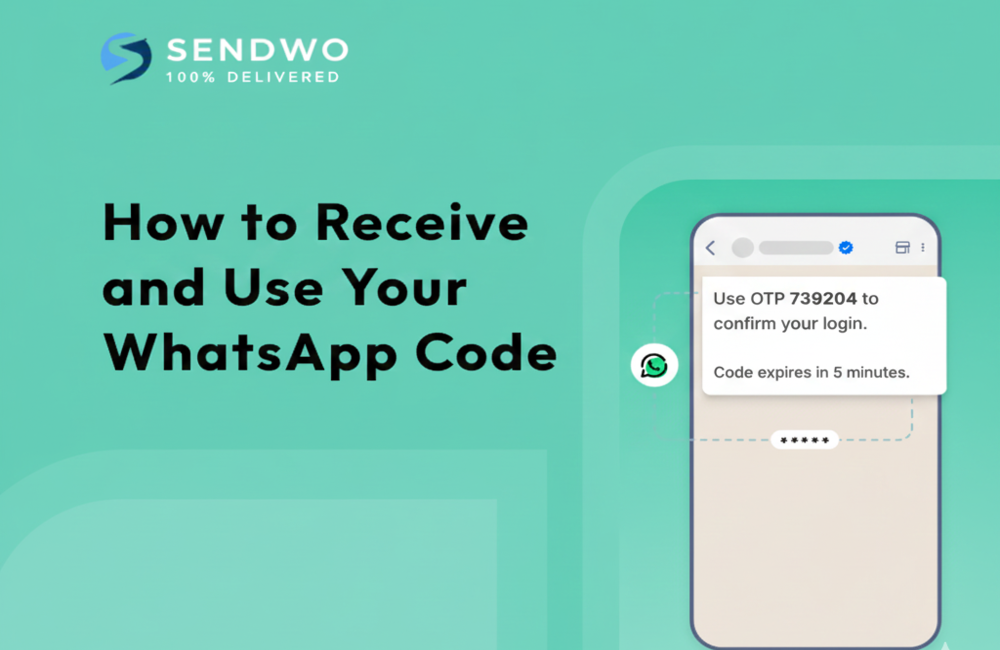
Getting the code is straightforward if your phone can receive SMS or calls. Follow these steps:
As one guide notes, after you tap Next, “WhatsApp will send a 6-digit verification code via SMS to that number… Enter that code to finish logging in.”. Once you enter the correct, what is the Six Digit Code for WhatsApp, your WhatsApp account is activated on the device and you can begin chatting.
WhatsApp uses a six-digit code as a balance between security and usability. A 6-digit code has 1,000,000 possible combinations, which makes it extremely hard for an attacker to guess at random. In comparison, a 4-digit code only has 10,000 combinations. As security experts explain, this length greatly increases protection while still being easy to remember. In other words,what is the Six Digit Code for WhatsApp is a sweet spot: it’s strong enough to thwart most hacks, but short enough that the average person can enter it quickly.
Beyond the one-time code, WhatsApp offers Two-Step Verification for extra security. This is an optional 6-digit PIN that you set in advance. If enabled, WhatsApp will ask for this PIN whenever you register your number on a new device. This means even if someone steals your SMS code, they still can’t complete the login without your personal PIN. To activate it, go to Settings > Account > Two-step verification, turn it on, and choose a 6-digit PIN (you can also add a recovery email). As the SendWo guide explains: “Pick a 6-digit PIN… This extra PIN protects your account even if someone somehow gets your SMS code”. We highly recommend enabling two-step verification to protect your WhatsApp account.
Sometimes the code doesn’t arrive instantly. Here are some tips:
By following these steps (also summarized in the SendWo login guide), most users quickly receive the code and get logged in.
Be very cautious about sharing this code. A common scam works like this: someone posing as a friend or WhatsApp employee tells you they accidentally sent you a code and asks you to forward it. If you do, they instantly hijack your account. For example, the New Indian Express reports that even celebrities fell victim to this “six-digit code scam”. The most important advice is simple: never share the six-digit code sent to your phone with anyone. WhatsApp will never call or text you asking for this code outside the app. If you receive a code without requesting it, just ignore it and consider enabling two-step verification for added security.
The six-digit code for WhatsApp is simply a one-time password that confirms your phone number during login. It’s random and short-lived, and should be guarded carefully. By understanding how to receive this code and following best practices (like enabling two-step verification), you keep your WhatsApp account secure.
If you’re using WhatsApp for business or need more control over your messaging, consider using SendWo — a robust WhatsApp Business API platform. SendWo lets you manage verified messaging at scale and helps you automate tasks safely. Get started with SendWo today and make your WhatsApp communications seamless and secure.
It’s a one-time verification code (OTP) sent to your phone via SMS or call when you register or verify WhatsApp. It proves you own the number.
Enter your phone number in WhatsApp. The app will automatically send you a 6-digit code by SMS. If SMS fails, tap “Call me” and WhatsApp will read the code to you.
Common reasons include entering the wrong number or having poor reception. Double-check your country code and number, then try again or use the call option. Sometimes waiting a minute solves delays.
No. WhatsApp only sends the code via SMS or voice call to your phone. If someone asks for your code via email or a website, it’s a scam.
That likely means someone else is trying to register your number. Don’t share the code with anyone. Ignore the message or call, and consider enabling two-step verification to lock your account.