How to Link WhatsApp to Another Phone: Quick 5 Easy Step
Learn how to link WhatsApp to another phone in a few easy steps. Use one WhatsApp number on multiple devices, stay connected anytime.
 By Aditi Kamini
Published: January 9, 2026
Updated: March 25, 2026
18 min read
By Aditi Kamini
Published: January 9, 2026
Updated: March 25, 2026
18 min read
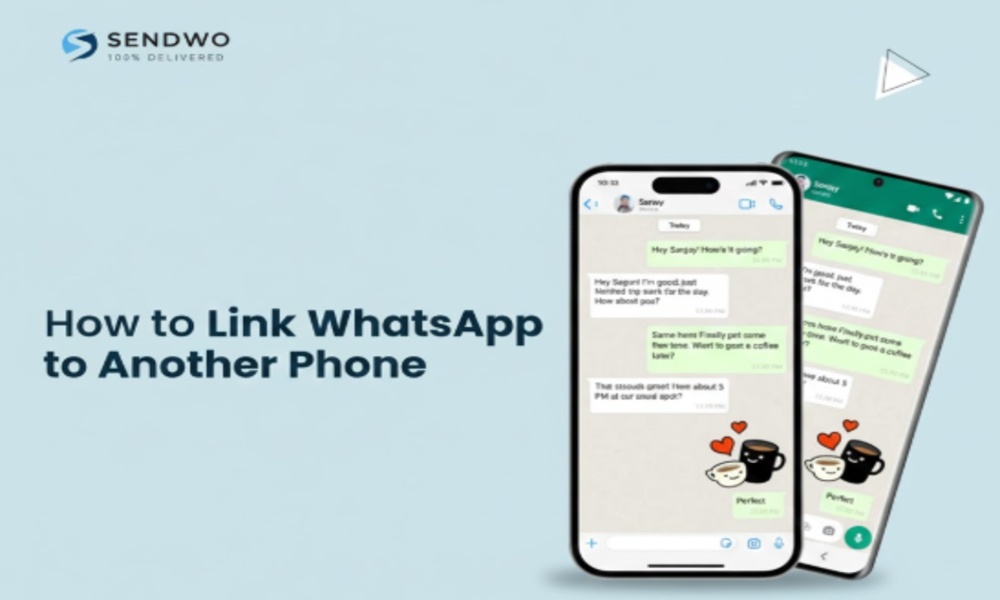
Learn how to link WhatsApp to another phone in a few easy steps. Use one WhatsApp number on multiple devices, stay connected anytime.
Imagine the convenience of checking your WhatsApp messages on a second phone without juggling devices. Whether you carry a work phone and a personal phone or you simply want a backup device for WhatsApp, it’s now possible to use the same WhatsApp account on multiple phones. This was once a headache – WhatsApp historically allowed one phone per account – but a recent update changed everything. In this comprehensive guide, we’ll show you how to link WhatsApp to another phone using WhatsApp’s official multi-device feature (also known as Companion Mode), along with pro tips, examples, and answers to common questions. By the end, you’ll seamlessly stay connected across devices without missing a beat.
1. Why Link WhatsApp to Another Phone? (Benefits & Use Cases)
Linking WhatsApp to a second phone can be a game-changer in your daily life. Here are a few scenarios where using WhatsApp on two phones is incredibly useful:
- Never Miss Messages: If one phone’s battery dies or is out of reach, your chats still come through on the other device. You won’t miss urgent messages just because your primary phone is charging in another room.
- Work and Personal Devices: Many of us carry separate phones for work and personal use. With a linked WhatsApp account, you can respond to customers or colleagues from your work phone and chat with friends on your personal phone – all on one WhatsApp number, without constantly logging in and out.
- Multi-Tasking Made Easy: Perhaps you’re reading documents on one phone and want to send a WhatsApp message using the other. Linked devices let you open chats on whichever phone is convenient. This no more juggling approach saves time and hassle.
- Backup and Flexibility: If one device is unavailable (lost, in repair, or has no network), the other device keeps you connected. For example, travelers can leave their primary phone in the hotel safe and use a spare device for WhatsApp while out exploring, knowing all messages will sync when back online.
- Team Collaboration: In small businesses, multiple team members can answer inquiries via a single WhatsApp Business number on different phones. This means a customer can get replies from whoever is available, improving responsiveness (previously, only one phone could be logged in).
In short, how to link WhatsApp to another phone means greater convenience, continuity, and connectivity. You’ll be able to pick up conversations on whichever device is handy, without worrying about transferring accounts or missing chats.
2. WhatsApp’s Multi-Device Feature (Companion Mode) Explained
To enable WhatsApp on two phones, you’ll be using WhatsApp’s multi-device support, often referred to as Companion Mode. Here’s what you need to know about it:
- Launched in 2023: In April 2023, WhatsApp rolled out Companion Mode, finally allowing one account to run on more than one phone. This was a highly requested feature and part of WhatsApp’s broader multi-device update. Before this, the “Linked Devices” feature worked only for computers (WhatsApp Web and Desktop), but now phones and tablets can be linked too.
- Link Up to 4 Devices: WhatsApp lets you how to link WhatsApp to another phone to four additional devices (like a second phone, a tablet, or a PC) at the same time. All these devices stay connected under the same WhatsApp account and number. You do not need a separate SIM or phone number for the other phone – they all use your one account.
- Independent & Synchronized: Each linked device works independently. That means your secondary phone will receive messages and WhatsApp calls even if your main phone is offline or off. All devices sync your chats and messages, so you can start a conversation on one phone and continue it on another seamlessly. For example, send a photo via your primary device and you’ll see it in the chat on your linked phone too – no manual transfer needed.
- End-to-End Encryption Preserved: Worried about security? Don’t be. WhatsApp’s multi-device feature maintains end-to-end encryption across all linked devices. Your personal message, media, and calls remain private and protected on each phone, just as they would on a single device. WhatsApp uses a secure architecture where each device has its own cryptographic key, ensuring your chats stay just as secure as before.
- No Extra App or Fee Required: The ability to how to link WhatsApp to another phone is built into the official WhatsApp app (including WhatsApp Business). There’s no need to install any “clone” apps or pay for third-party services. As long as you have the latest version of WhatsApp, you have this feature available for free.
3. How to Link WhatsApp to Another Phone (Step-by-Step Instructions)
Ready to set up WhatsApp on a second phone? The process is straightforward and only takes a minute. Follow the step-by-step guide below. We’ve covered instructions for both Android and iPhone users that how to link WhatsApp to another phone:
If your secondary device is an Android smartphone or tablet, use these steps to how to link WhatsApp to another phone it to your existing WhatsApp account:
- Install or Update WhatsApp: On your second (companion) Android phone, download and install the latest WhatsApp Messenger from the Google Play Store. If it’s already installed, ensure it’s updated to the latest version for multi-device support. Launch WhatsApp, and tap “Agree and Continue” on the welcome screen. (Do not enter your phone number, we’ll be using the link option instead.)
- Choose “Link to Existing Account”: On the WhatsApp setup screen of the companion phone, tap the ⋮ menu (three dots) in the top-right corner. In the menu that appears, select “how to link WhatsApp to another phone an existing account.” This tells WhatsApp that you want to add this phone as a linked device rather than register a new number. Once you tap this, a QR code will appear on the screen. This QR code is unique and will be used to securely connect your two phones.
- Open WhatsApp on Your Primary Phone: Now pick up your primary phone (the one with your WhatsApp account already logged in). Open WhatsApp on that device. Go to Settings > Linked Devices. (On some Android versions, you might tap the ⋮ menu > Linked Devices.) Here, tap “Link a Device.” WhatsApp may prompt you to authenticate (with your fingerprint, face ID, or phone passcode) to ensure it’s really you linking a new device.
- Scan the QR Code: Your primary phone’s camera will activate within the WhatsApp app. Point it at the QR code displayed on the screen of your secondary phone. Make sure to align it so the QR code fits in the camera frame. Within seconds, the code will scan and authenticate.
- All Set – Sync in Progress: Once the QR code is scanned, your devices will take a moment to synchronize. You should see a message on the new device like “Syncing WhatsApp” or a quick tutorial about using WhatsApp on multiple devices. In your primary phone’s Linked Devices list, you’ll now see the name or model of the second phone listed as a connected device. On the secondary Android phone, WhatsApp should now open your chat list, identical to what you see on your main phone. ? Congratulations – your WhatsApp is now linked to both phones! You can send and receive messages on the second phone just as you would on the primary.
4. Linking an iPhone as a Companion Device
If the second device you want to how to link WhatsApp to another phone is an iPhone (or iPad running WhatsApp), the steps are similar with slight differences in the interface:
- Install WhatsApp on iPhone: On the secondary iPhone, install the latest WhatsApp Messenger app from the App Store (or update it if it’s already installed). Open WhatsApp and tap “Agree & Continue.” Do not proceed with entering a phone number – instead, we’ll use the companion mode of how to link WhatsApp to another phone option.
- Select “Link to Existing Account”: On the WhatsApp welcome screen of the iPhone, look for an option that read “Or how to link WhatsApp to another phone device to an existing account.” Tap on this text. (If you don’t see it immediately, it might appear after the Agree & Continue step or as a small link on the number input screen.) Once you tap the link option, a QR code will be generated and displayed on the iPhone’s screen.
- Open WhatsApp on Primary Phone: Now, take your primary phone that’s already logged into WhatsApp (it can be an Android or another iPhone – primary just means the main device with your WhatsApp account). Open WhatsApp and navigate to Settings > Linked Devices (on iPhone) or Menu > Linked Devices (on Android). Tap the “Link a Device” option. Authenticate with your fingerprint/Face ID or passcode if prompted.
- Scan the QR Code: Using your primary phone’s WhatsApp camera, scan the QR code shown on your secondary iPhone’s screen. Align the camera with the QR code; within a second or two you should get a confirmation that the code was recognized and the devices are linking.
- Linked! Let it Sync: After scanning, WhatsApp will finalize the linking. On the secondary iPhone, you’ll see your WhatsApp chats loading up. This device is now a companion linked to your account. You can access all your conversations on the iPhone and send/receive messages just like on your main phone. The primary phone’s Linked Devices section will list this iPhone as connected. You can now seamlessly switch between your phones when using WhatsApp.
By following the above steps for your respective devices, you’ve effectively cloned your WhatsApp chat onto a second phone in a secure, official way. You can repeat this process to add up to four phones or mix of phones and other devices in total.
Alternate Method: Using WhatsApp Web on a Second Phone
What if you want to access how to link WhatsApp to another phone without installing the app or if, for some reason, the above method isn’t available? An alternative is to use WhatsApp Web on the second device’s browser. This was the go-to workaround before multi-device support for phones was introduced. It’s still useful in certain cases – for example, if you’re borrowing a friend’s phone briefly to check your WhatsApp, or if you have a device that can’t install the app.
To use WhatsApp Web on a second phone, follow these steps:
- Open Browser on Second Phone: On the secondary phone, open your web browser (Chrome, Safari, etc.). Go to web.whatsapp.com. If you’re on a mobile browser, WhatsApp might redirect you to a download page by default. To get the QR code interface, you need to enable Desktop Site mode on your browser (in Chrome, tap the menu and check “Desktop site”). Once in desktop mode, navigate to web.whatsapp.com again and you should see the familiar WhatsApp Web QR code on screen.
- Link via Primary Phone: Now, on your primary phone, open WhatsApp and go to Linked Devices > Link a Device (just like in the earlier method). Scan the QR code shown on the second phone’s browser screen. Once scanned, the browser will log in to your WhatsApp account.
- Use WhatsApp in Browser: The second phone’s web browser will now display your WhatsApp Web interface – you can read and send messages through this browser tab. It’s essentially like using a computer, but on a phone. You might want to keep the browser open or create a shortcut to it for easy access.
- Keep in mind: WhatsApp Web on a phone is a bit less convenient than the app. The interface might appear smaller or less touch-optimized, and you’ll need to stay logged in. However, since WhatsApp now supports multi-device, the web session will stay active even if your main phone goes offline (with the same 14-day rule applying). This method doesn’t require installing WhatsApp on the second phone, which can be handy for temporary use. Just remember to log out of WhatsApp Web when you’re done if the device isn’t yours or is shared. You can log out from the browser (menu > Log out) or from your primary phone’s Linked Devices list.
5. Important Limitations and Things to Know

While how to link WhatsApp to another phone is awesome, there are a few limitations and points you should be aware of:
- One Account, One Number: You can use one WhatsApp account across multiple phones, but you cannot use two phone numbers on one WhatsApp account. Each WhatsApp account is still tied to a single phone number (SIM). The multi-device linking doesn’t mean you can merge different numbers or have two active WhatsApp accounts on one phone – it’s about one account on multiple device. If you need two separate WhatsApp accounts (e.g., for two different phone numbers), consider using WhatsApp Business for the second number or the dual-app feature on your phone, but that’s outside the scope of linking one account.
- Up to Four Linked Devices: WhatsApp currently allows up to 4 companion devices to be linked in addition to your primary phone. This typically means, for example, 1 primary + 3 other phones + 1 computer = 4 companions (the primary isn’t counted in the “linked” slot). If you reach the limit and want to add another, you would need to log out one of the existing linked devices first. Four devices are usually plenty for most users’ needs.
- Limited Features on Linked Phone: Companion devices have almost full functionality, with a couple of exceptions. Notably, you cannot use live location sharing from a linked phone (the option to share live location won’t be available). Also, you might not be able to manage or post Status updates from the companion phone (you can still view statuses in some cases, but posting a new Status may require the primary device). These limitations could change with future updates, but as of now, they’re intentional restrictions.
- Primary Phone Inactivity: If your primary phone is inactive (not connected to the internet) for over 14 days, WhatsApp will log out all your linked devices automatically. This is a security measure to prevent long-term use of an account without the primary device’s involvement. In practice, it means if you don’t turn on or use WhatsApp on your main phone for two weeks, you’ll have to how to link WhatsApp to another phone your companion devices again. For most people who use their phone regularly, this will never be an issue. Just be aware if you’re leaving your main phone powered off for an extended time (e.g., a long trip using only a secondary phone), you might hit this limit.
- Internet Connection: Each linked device needs its own internet connection (Wi-Fi or mobile data) to send/receive messages. The good news is the devices work independently – for example, if your primary phone has no signal but your secondary phone does, the secondary will still get messages. But if a linked device itself goes offline (no internet), it won’t show new messages until it’s online again, just like any normal WhatsApp instance. In short, linking doesn’t create an offline copy of WhatsApp; connectivity is still required for each device to communicate with WhatsApp servers.
- Notifications and Settings: Each device will notify you of messages. If you read a chat on one phone, it’ll be marked read on the others. Most settings (like chat wallpapers, notification tones, etc.) might be device-specific, so you can configure them separately per device. However, actions like deleting a message or chat apply to your account globally – e.g., if you delete a message on Phone A, it will disappear on Phone B too, since it’s the same account. Keep that in mind to avoid confusion.
- Security & Privacy: All linked device sessions are securely tied to your account. You can check which devices are linked by going to WhatsApp Linked Devices settings on your primary phone; you’ll see a list of logged-in companion devices. From there you can log out any device remotely with a tap. It’s a good idea to review this list periodically and ensure you recognize all devices. If you see an unknown device, log it out immediately to protect your account. (Typically, linking requires physical access to your phone due to QR scan and authentication, but it’s wise to stay vigilant.)
Overall, WhatsApp’s multi-device linking is designed to be user-friendly and safe, but knowing these details will help you use it effectively and avoid surprises.
Turn this learning into your next WhatsApp campaign.
Start with Sendwo’s free plan, explore WhatsApp broadcasts, automation, AI chatbot flows, and upgrade only when your business needs more power.
6. Top Tips for Using WhatsApp on Multiple Devices Securely
Using WhatsApp on two or more phones is convenient, but make sure to follow these best practices to keep your account secure and running smoothly:
- Use Official WhatsApp Only: Avoid third-party clone apps or modded WhatsApp applications that promise multi-device access. Now that WhatsApp natively supports linking devices, there’s no need to risk your data with unofficial apps. Third-party apps can compromise your privacy or even lead to your account being banned. Stick with the official WhatsApp (or WhatsApp Business) for all your devices.
- Keep Apps Updated: Ensure that WhatsApp is updated to the latest version on all your phones. Updates often include security patches, bug fixes, and improvements to multi-device functionality. An updated app minimizes chances of any glitches when linking or syncing messages.
- Enable Two-Step Verification: Turn on two-step verification in your WhatsApp account (found in Settings > Account > Two-step verification). This adds a PIN that’s periodically required and adds an extra layer of security, preventing someone else from linking your account on a new device without the PIN. It’s a smart move now that you have WhatsApp on multiple endpoints.
- Monitor Linked Devices: Make it a habit to occasionally check the Linked Devices section on your primary phone. This list shows every device connected to your WhatsApp. If you ever see a device you don’t recognize or that you no longer use, tap it and choose Log Out. Keeping this list tidy ensures no one else has unauthorized access.
- Log Out When Necessary: If you’re using WhatsApp Web on a public or shared computer (or if you temporarily logged in on a friend’s phone via WhatsApp Web), always log out after. You can log out from that device or from your phone. This prevents others from reading your chats if they access that device later. For companion phones that you own, you don’t need to log them out unless you plan to stop using them.
- Privacy on Shared Devices: If someone else uses your linked device (say you share a tablet or secondary phone with family), remember that your WhatsApp chats are accessible there. Consider setting up a phone passcode or app lock on the companion device to prevent others from opening your how to link WhatsApp to another phone. Also, all devices will get message notifications, so you might want to adjust notification previews for privacy if needed.
- Data Usage and Storage: When using multiple phones, each will download media (photos, videos) in chats independently. This could consume more data. Check your Storage and Data settings on each device to manage auto-download preferences (for example, maybe disable video auto-download on the secondary phone if data is a concern). Using Wi-Fi for initial sync is recommended since how to link WhatsApp to another phone might download all your recent chat media to the new device.
- Know How to Unlink: If you ever lose one of your phones or sell it, remember to log out that device remotely through your WhatsApp Linked Devices menu. If you cannot do that, another way to force-log out all devices is to simply log out of WhatsApp on your primary phone and log back in (or uninstall and reinstall WhatsApp and verify your number again). When you re-login, WhatsApp treats it as a fresh session and will automatically unlink other devices for security. This ensures someone with a lost device can’t keep accessing your messages.
By following these tips, you’ll ensure that enjoying WhatsApp on multiple phones doesn’t come at the expense of your account’s security or privacy. WhatsApp’s design takes care of a lot of this for you, but a little user vigilance goes a long way.
Conclusion
- Linking how to link WhatsApp to another phone is no longer a tech trick reserved for the experts – it’s an accessible feature that anyone can set up in minutes. With the multi-device (Companion Mode) update, WhatsApp has made it simple to stay connected across phones, tablets, and more, without compromising security or ease of use. Now you can chat from your secondary phone while your primary device is charging, or manage business communications on multiple handsets under one WhatsApp number. The flexibility is liberating.
- We’ve walked through the step-by-step process to how to link WhatsApp to another phone and covered the nuances of using WhatsApp on two phones. By applying the tips and best practices above, you can confidently enjoy this feature to the fullest. So go ahead – try how to link WhatsApp to another phone to that second phone today and experience the freedom of multi-device messaging.
- Call to Action: If you found this guide helpful, or if you’re looking to get even more out of WhatsApp for your personal or business use, be sure to explore other resources and tools we offer. AtSendWo, we’re all about helping you leverage WhatsApp effectively – whether it’s through insightful tips like these or our free WhatsApp marketing platform that can supercharge your communication strategy. Ready to take your WhatsApp usage to the next level? Try outSendWo for bulk messaging, chat automation, and more, and keep following our blog for the latest WhatsApp updates and how-tos. Happy chatting!
(FAQs)
Q: Can I use WhatsApp on two phones?
Yes. You can use one account on up to four phones via the multi-device feature. Link new phones using a QR code.
Q: Do I need another number or SIM?
No. You can use the same WhatsApp number on all linked devices.
Q: Is encryption still secure on linked devices?
Yes. All chats and calls remain end-to-end encrypted across every device.
Q: Will linked phones work if my main phone is off?
Yes. Other linked devices stay active unless your main phone is offline for over 14 days.
Q: How many devices can I link?
Up to four phones or devices in total. Manage them under Settings > Linked Devices.
Q: Are any features limited on linked phones?
Yes. Live location, posting Status, and managing broadcasts or payments may be restricted.
Q: Can someone link their phone to mine without permission?
No. Linking requires access to your unlocked phone. Use two-step verification for extra security.
Q: How do I remove a linked device?
Go to Settings > Linked Devices, select the device, and choose Log out.
Q: Can businesses use one number on two phones?
Yes. Teams can share one WhatsApp Business account across multiple devices.
Q: Do I have to scan the QR code every time?
No. You scan it once. The device stays linked unless you log out or stay inactive for 14 days.
Q: Does this work with WhatsApp Business?
Yes. The same linking steps apply and work across multiple business phones.
Aditi Kamini
Aditi, a content marketer at SendWo, is a passionate writer and marketing enthusiast. She excels in driving revenue campaigns, building client relationships, and mastering content creation, SEO, customer service, and project management.